
Do kurti manufacturers offer eco-friendly or sustainable fabrics?
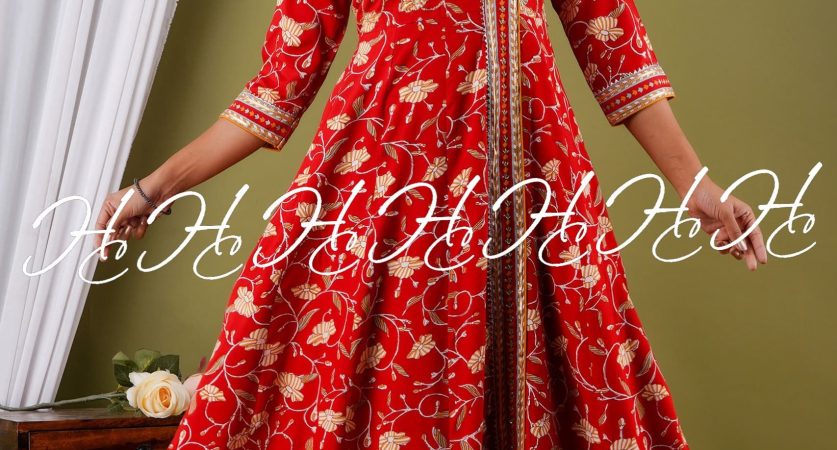
In recent years, sustainability has become more than just a trend; it is a necessity in the fashion industry. Consumers increasingly seek eco-friendly options that reduce environmental impact while maintaining style and quality. This shift has prompted wholesale kurti manufacturer and retailers, especially in regions like Rajasthan, to evaluate the fabrics they use. The question arises: do kurti manufacturers offer eco-friendly or sustainable fabrics? The answer is increasingly affirmative, though it depends on the manufacturer’s commitment to sustainability and their production processes.
Eco-friendly fabrics are materials produced with minimal harm to the environment. Traditional textile manufacturing often involves high water consumption, chemical dyes, and energy-intensive processes, which contribute to pollution and carbon emissions. Recognizing these challenges, many kurti manufacturers in India, particularly wholesale kurti manufacturers, are now exploring sustainable alternatives such as organic cotton, bamboo fabric, hemp, Tencel, and recycled polyester. These materials reduce environmental strain while maintaining the durability and comfort expected in high-quality kurtis.
Organic cotton, for instance, is cultivated without synthetic pesticides and fertilizers. Its production uses less water compared to conventional cotton and encourages healthier soil conditions. Wholesale kurti manufacturers increasingly source organic cotton to cater to environmentally conscious buyers. Using this material allows anarkali kurti wholesalers in Rajasthan to provide fashionable, vibrant kurtis while aligning with sustainability goals. For customers, this means purchasing kurtis that are safe for sensitive skin and produced in an environmentally responsible manner.
Bamboo fabric is another eco-friendly option gaining popularity among kurti manufacturers. Bamboo grows rapidly without the need for pesticides, and its fibers can be transformed into soft, breathable fabric suitable for summer kurtis. Many anarkali kurti wholesalers in Rajasthan are now incorporating bamboo blends into their collections, offering an alternative to synthetic fibers that are both stylish and sustainable. By promoting bamboo fabrics, kurti manufacturers provide customers with a fabric that is biodegradable, renewable, and naturally antibacterial.
Hemp, too, is making its mark in sustainable fashion. Hemp requires minimal water and chemicals to grow, making it a highly sustainable textile source. Its fibers are strong and durable, resulting in kurtis that last longer, reducing the need for frequent replacements. Wholesale kurti manufacturers who prioritize long-term environmental impact often include hemp in their fabric portfolio. By choosing hemp-based kurtis, customers support a circular fashion model where sustainability and style coexist seamlessly.
Beyond raw materials, eco-friendly dyeing and printing techniques are equally important. Many traditional dyeing methods involve toxic chemicals that contaminate water sources. Leading kurti manufacturers are now adopting natural dyes derived from plants, fruits, and minerals. These dyes reduce chemical waste, lower water pollution, and offer unique, earthy tones that appeal to customers seeking distinctive designs. For anarkali kurti wholesalers in Rajasthan, using natural dyes is not just an ethical choice but also a selling point for eco-conscious clients.
Recycled fabrics are another avenue for sustainable production. Some wholesale kurti manufacturers use recycled cotton or polyester, repurposing post-consumer or post-industrial waste into new textiles. This practice decreases landfill waste and reduces the demand for virgin raw materials. Eco-conscious consumers can find beautifully designed kurtis made from recycled fabrics, offering a guilt-free shopping experience while maintaining quality and affordability.
Despite these advances, challenges remain. Not all kurti manufacturers have fully transitioned to sustainable fabrics, primarily due to higher production costs and limited availability of eco-friendly raw materials. Many smaller anarkali kurti wholesaler rajasthan still rely on conventional fabrics to maintain competitive pricing. However, awareness and demand for sustainable options are steadily growing, encouraging more manufacturers to adopt greener practices.
Consumers play a critical role in this transformation. By supporting wholesale kurti manufacturers and anarkali kurti wholesalers in Rajasthan who prioritize sustainability, buyers send a clear market signal: eco-friendly fabrics are valued. Retailers and wholesalers who understand this trend can invest in sustainable collections, ensuring they meet both ethical and commercial expectations. Over time, as economies of scale improve, sustainable kurtis may become more accessible to a broader audience, bridging the gap between affordability and environmental responsibility.
In conclusion, many kurti manufacturers today actively offer eco-friendly and sustainable fabrics, though adoption varies by region and scale of operation. Wholesale kurti manufacturers increasingly incorporate organic cotton, bamboo, hemp, recycled fabrics, and natural dyes into their products. Anarkali kurti wholesalers in Rajasthan, in particular, are embracing these materials to cater to eco-conscious customers. While challenges such as higher costs and supply limitations exist, rising consumer demand continues to encourage sustainable practices. Buyers who prioritize eco-friendly kurtis support not only ethical fashion but also the long-term health of the environment. As the fashion industry evolves, the collaboration between sustainable kurti manufacturers and informed consumers promises a future where style and responsibility go hand in hand.

- SHARES
- [shared_counts]

Ashmawi Sami has a Bachelor degree in Travel and Tourism Management from the University of Minnesota. He has his own travel vlogging channel. Besides being a fantastic yoga instructor he has travelled to 9 countries and planning his next trip soon. As the father of 3 dogs, he is well-trained in parenting, crowd control, and crisis situations.



ABOUT ME

Gillian is a freelance blogger, student, and full-time traveler. Each day she spends her time exploring something exciting to help people find the information they need while travelling to a new destination. Whether it be the place to enjoy holidays, or a spot to throw a party or hidden gems that you must visit in the city.
ALL CATEGORIES
- Adventure (13)
- art&gallery (4)
- Automotive (11)
- Beauty (3)
- blog (295)
- Business (1,200)
- cleening (6)
- contretation (1)
- couier services (5)
- courier services (1)
- driving school (8)
- Education (28)
- Event (6)
- events (3)
- fashion (14)
- food (1)
- Forests (5)
- Health (333)
- INDUSTRIALES (2)
- Insurance (11)
- law (1)
- Lifestyle (15)
- machinery (3)
- matel steel (1)
- News (3)
- property (2)
- public (10)
- Real Estate (22)
- Shopping (27)
- Tech (2)
- Technology (31)
- Travel (28)

JOIN US TODAY
POPULAR POST

January 27, 2021 -
Adventure Travel For The Audacious Spirit

January 27, 2021 -
Small Business Loans for Women

January 27, 2021 -
Adventure Tours in Vanuatu
RECENT POST

August 21, 2026 -
Remorque au Québec : comment choisir le modèle qui répond vraiment à vos besoins
Que vous soyez entrepreneur, agriculteur, travailleur autonome ou...

August 21, 2026 -
أفضل القهوة والمكسرات في الرياض: دليل لاختيار الجودة والطعم الأصيل
تُعد القهوة والمكسرات من أكثر المنتجات ارتباطًا بالضيافة...

August 21, 2026 -
Scopri il Marocco: Avventure nel Deserto, Tour in 4×4 e Itinerari Personalizzati
Il Marocco è una destinazione capace di sorprendere...

August 21, 2026 -
Office Furniture Dubai: Transform Your Workplace Into a Productive Environment
The modern workplace is no longer simply a...


