
What is an aluminium sheet and how is it made?
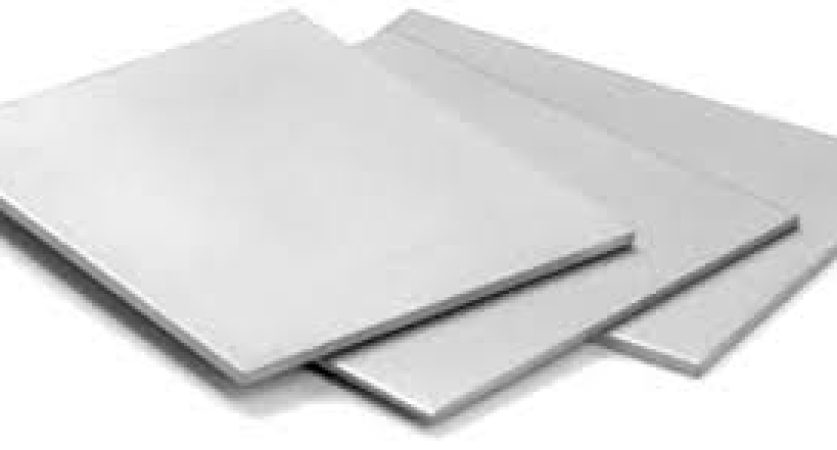
Aluminium is one of the most versatile and widely used metals in the world today. From kitchen utensils to aircraft bodies, it plays a vital role in various industries. Among its many forms, aluminium sheets stand out as a preferred material due to their strength, durability, and lightweight properties. In regions like aluminium sheet Singapore markets, these sheets are highly sought after for both industrial and architectural purposes. But what exactly is an aluminium sheet, and how is it made? Let’s explore the process, properties, and applications that make aluminium sheets an indispensable part of modern manufacturing.
Understanding What an Aluminium Sheet Is
An aluminium sheet is a flat, thin piece of aluminium that can vary in thickness, typically ranging from 0.2 mm to several millimeters. Sheets thinner than this are called aluminium foil, while thicker ones are known as aluminium plates. Aluminium sheets are widely used in construction, transportation, packaging, and consumer goods due to their excellent combination of strength, corrosion resistance, and flexibility.
In the aluminium sheet Singapore market, manufacturers and suppliers offer a variety of grades and finishes to meet specific requirements. Whether it’s for roofing, cladding, kitchen appliances, or automotive panels, aluminium sheets can be customized to different dimensions and surface treatments, including brushed, anodized, or mirror finishes.
The Primary Material: Aluminium
The primary raw material used in making aluminium sheets is bauxite ore. Bauxite is refined into alumina (aluminium oxide) through the Bayer Process. Alumina is then smelted using the Hall–Héroult process, which involves electrolytic reduction to extract pure aluminium metal. This refined aluminium is the foundation for producing sheets and other aluminium products.
Aluminium is favored for its low density—about one-third that of steel—making it ideal for applications where weight reduction is essential. Its natural resistance to corrosion further increases its lifespan, even in harsh environments like marine or humid climates such as those found in Singapore.
The Aluminium Sheet Manufacturing Process
The production of aluminium sheets involves several steps, each contributing to the quality and finish of the final product. Let’s look at the main stages of the process:
1. Casting
The process begins with molten aluminium being poured into large molds to form slabs or ingots. These slabs are then cooled and prepared for rolling. The composition of the alloy is controlled during this stage to ensure the required mechanical and physical properties.
2. Preheating
Before rolling, the aluminium slabs are preheated to around 400–500°C. This softens the metal, making it more malleable for the rolling process. Preheating also helps remove internal stresses that could affect the sheet’s uniformity.
3. Rolling
Rolling is one of the most critical steps in creating aluminium sheets. It involves passing the preheated slabs through a series of rollers that progressively reduce their thickness. There are two main types of rolling processes:
- Hot Rolling: This process reduces the slab to a thinner coil while it remains hot.
- Cold Rolling: After the sheet cools, it undergoes cold rolling to achieve the desired thickness and surface finish. Cold rolling also enhances the sheet’s strength and smoothness.
4. Annealing
To restore ductility lost during rolling, the sheets are annealed or heat-treated. This process involves reheating them under controlled conditions to relieve internal stresses and improve flexibility. Annealing is especially important for applications requiring bending or forming.
5. Surface Finishing
Depending on the intended use, aluminium sheets may undergo various surface treatments. Common finishes include:
- Anodizing: Adds a protective oxide layer for corrosion resistance.
- Painting or Coating: Improves appearance and offers additional protection.
- Brushing or Polishing: Gives decorative appeal for architectural or consumer use.
In the aluminium sheet Singapore industry, these finishes are crucial as they enhance both functionality and aesthetic value. For instance, anodized aluminium is widely used in building facades and window frames due to its sleek, modern appearance and weather resistance.
6. Cutting and Packaging
Once the sheets reach the desired thickness and finish, they are cut into standard sizes or customized dimensions as per client specifications. The sheets are then carefully packaged to prevent scratches or damage during shipping and storage.
Applications of Aluminium Sheets
Aluminium sheets are incredibly versatile, finding applications across numerous sectors. Some of the most common uses include:
- Construction: Used in roofing, cladding, curtain walls, and ceilings due to their corrosion resistance and attractive finish.
- Transportation: Essential in automotive and aerospace industries for lightweight panels and components.
- Electrical: Utilized in transformers and electronic enclosures because aluminium conducts electricity efficiently.
- Household and Kitchenware: Aluminium sheets are used in making utensils, cookware, and appliances, often in conjunction with materials like Stainless Steel Singapore for hybrid designs.
- Packaging: Found in beverage cans, food containers, and foil packaging for its non-toxic and recyclable nature.
Comparing Aluminium Sheets and Stainless Steel
While both aluminium and stainless steel are popular in industries worldwide, they differ in composition and properties. Aluminium is lighter, easier to shape, and has excellent thermal conductivity. In contrast, Stainless Steel Singapore products are known for their superior strength and resistance to high temperatures.
Many manufacturers in Singapore supply both aluminium sheet Singapore and Stainless Steel Singapore products to meet different industrial demands. For instance, aluminium is often preferred for lightweight construction, while stainless steel is chosen for heavy-duty, high-strength applications.
Sustainability and Recycling
Another advantage of aluminium sheets is their recyclability. Aluminium can be recycled repeatedly without losing its quality, making it one of the most sustainable metals available. Recycling aluminium uses only about 5% of the energy required to produce new aluminium from bauxite. This eco-friendly feature aligns with Singapore’s focus on sustainable industrial practices and environmental responsibility.
Conclusion
In summary, aluminium sheets are a remarkable product of modern metallurgy—lightweight, strong, and corrosion-resistant. The meticulous process of transforming bauxite into refined aluminium and then into precision sheets ensures high-quality performance across industries. Whether for construction, transportation, or household use, the aluminium sheet Singapore market continues to thrive thanks to its adaptability and sustainability. When paired with Stainless Steel Singapore products, aluminium sheets offer a balance of durability and aesthetics that meets the demands of modern design and engineering.

- SHARES
- [shared_counts]

Ashmawi Sami has a Bachelor degree in Travel and Tourism Management from the University of Minnesota. He has his own travel vlogging channel. Besides being a fantastic yoga instructor he has travelled to 9 countries and planning his next trip soon. As the father of 3 dogs, he is well-trained in parenting, crowd control, and crisis situations.

ABOUT ME

Gillian is a freelance blogger, student, and full-time traveler. Each day she spends her time exploring something exciting to help people find the information they need while travelling to a new destination. Whether it be the place to enjoy holidays, or a spot to throw a party or hidden gems that you must visit in the city.
ALL CATEGORIES
- Adventure (13)
- art&gallery (4)
- Automotive (11)
- Beauty (3)
- blog (295)
- Business (1,200)
- cleening (6)
- contretation (1)
- couier services (5)
- courier services (1)
- driving school (8)
- Education (28)
- Event (6)
- events (3)
- fashion (14)
- food (1)
- Forests (5)
- Health (333)
- INDUSTRIALES (2)
- Insurance (11)
- law (1)
- Lifestyle (15)
- machinery (3)
- matel steel (1)
- News (3)
- property (2)
- public (10)
- Real Estate (22)
- Shopping (27)
- Tech (2)
- Technology (31)
- Travel (28)

JOIN US TODAY
POPULAR POST

January 27, 2021 -
Adventure Travel For The Audacious Spirit

January 27, 2021 -
Small Business Loans for Women

January 27, 2021 -
Adventure Tours in Vanuatu
RECENT POST

August 21, 2026 -
Remorque au Québec : comment choisir le modèle qui répond vraiment à vos besoins
Que vous soyez entrepreneur, agriculteur, travailleur autonome ou...

August 21, 2026 -
أفضل القهوة والمكسرات في الرياض: دليل لاختيار الجودة والطعم الأصيل
تُعد القهوة والمكسرات من أكثر المنتجات ارتباطًا بالضيافة...

August 21, 2026 -
Scopri il Marocco: Avventure nel Deserto, Tour in 4×4 e Itinerari Personalizzati
Il Marocco è una destinazione capace di sorprendere...

August 21, 2026 -
Office Furniture Dubai: Transform Your Workplace Into a Productive Environment
The modern workplace is no longer simply a...


